How Small-Scale Hospitality Is Changing the Way We Travel — and Build
Smaller than traditional resorts and more intentional than typical vacation rentals, micro resorts are redefining what it means to travel well. These developments — often made up of thoughtfully designed compact cabins or small modern homes — offer guests a focused experience built around architecture, landscape, and simplicity.
At the same time, micro resorts are creating new opportunities for landowners and small developers. With lower startup costs and manageable scales, these projects allow hospitality ventures to begin with just a few buildings and grow over time.
Nanabode’s architect-designed compact homes are particularly well suited to this new model, offering a faster and more efficient path to creating design-focused hospitality environments.
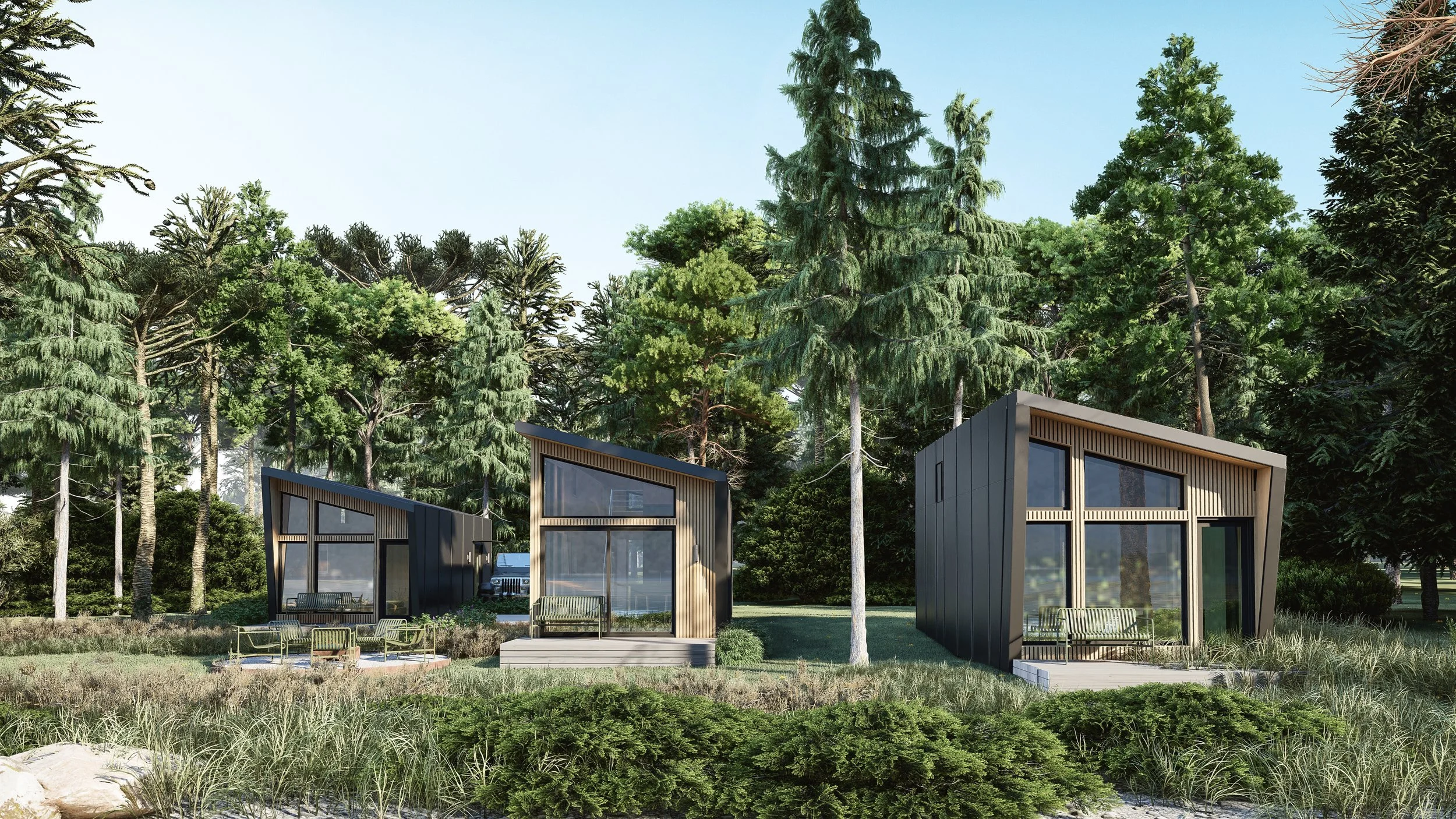
Nanabode micro-units of varying sizes with the same architectural identity
A Shift Toward Smaller, More Intentional Travel
Travel preferences have changed dramatically in recent years. Many guests are moving away from large, standardized hotels and toward places that feel personal and connected to their surroundings.
Travelers increasingly seek:
Privacy and quiet
Access to nature
Distinctive design
Authentic experiences
Smaller-scale environments
Micro resorts respond directly to these preferences. Rather than hundreds of rooms, a micro resort might consist of four to twenty carefully placed buildings, each designed to provide comfort and independence while maintaining a strong connection to the site.
This smaller scale creates a more relaxed and memorable experience — one that guests often return to again and again.
The Advantages of Building Small
For developers and landowners, micro resorts offer practical advantages over traditional hospitality projects.
Large hotels require significant capital, long development timelines, and complex operations. Micro resorts, by contrast, can be built incrementally and operated with smaller teams.
Key advantages include:
Lower Initial Investment
Smaller buildings and phased construction reduce upfront capital requirements.
Faster Development Timelines
Compact buildings move from design to construction more quickly.
Flexible Phasing
Projects can begin with a handful of units and expand as demand grows.
Simpler Operations
Fewer units mean easier management and maintenance.
Adaptable Land Use
Micro resorts can work well on rural properties, edge-of-town sites, and underutilized land.
This flexibility makes micro resorts accessible to a wider range of developers, including individuals and small partnerships.
Why Architecture Matters
Micro resorts succeed when they offer more than just a place to stay. The best projects create an atmosphere — a sense that each building belongs to its landscape and contributes to a cohesive whole.
Architecture plays a central role in shaping this experience.
Well-designed compact buildings can:
Frame views of the surrounding landscape
Create privacy between units
Capture daylight throughout the day
Provide sheltered outdoor spaces
Establish a distinctive identity
Guests notice these details, even if they cannot always describe them. Thoughtful design helps a micro resort stand out in a crowded marketplace and encourages repeat visits.
Design also contributes to long-term value. Buildings that are well-proportioned and carefully detailed tend to age better and require fewer costly alterations over time.
Repeatable Design Creates Efficiency
One of the defining characteristics of successful micro resorts is repeatability. Using a consistent architectural language across multiple buildings simplifies both construction and operations.
When units share a common design:
Builders become familiar with the details
Construction costs become more predictable
Material ordering becomes more efficient
Maintenance becomes simpler
The resort develops a clear visual identity
Rather than designing each building individually, repeatable architecture allows developers to focus on the overall site experience — how buildings relate to each other and to the landscape.
This approach reduces risk while maintaining design quality.
A Faster Path to Opening Day
Time is often one of the biggest challenges in hospitality development. Long design timelines delay revenue and increase carrying costs.
Pre-designed architectural plans allow micro resorts to move forward more quickly.
Instead of spending months developing custom designs, developers can begin with a carefully considered architectural solution that is ready to build. Builders can begin pricing earlier, permitting can start sooner, and construction can begin with fewer unknowns.
Furthermore, with incremental development, the site does not need to be fully developed to open to visitors. A couple of units can built and rented while others come online.

Designing for Experience
Micro resorts are not simply collections of small buildings. They are environments designed around experience.
Successful projects often include:
Walking paths connecting buildings
Shared outdoor gathering areas
Carefully preserved natural features
Simple but durable materials
Clear views and quiet spaces
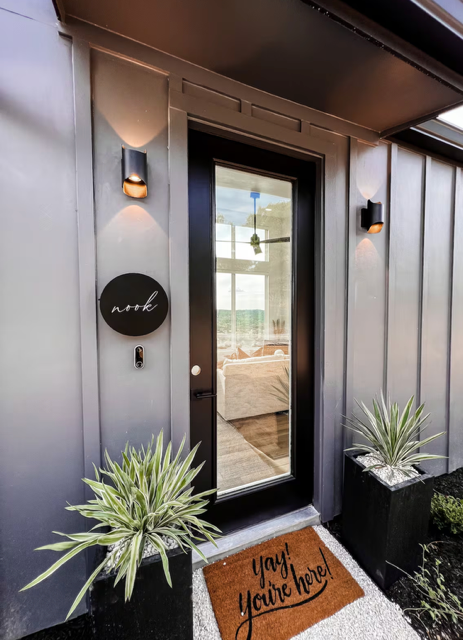
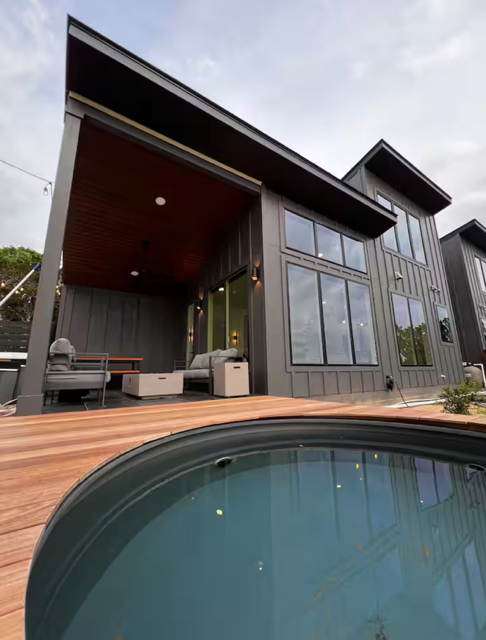
The buildings themselves play an important role in shaping these experiences. Compact homes that open onto decks, courtyards, or natural landscapes allow guests to feel connected to their surroundings without sacrificing comfort.
When architecture and landscape work together, even a small development can feel expansive.
A New Model for Small-Scale Development
Micro resorts represent a shift toward a more manageable and thoughtful form of hospitality development. They offer an alternative to both large hotels and isolated vacation rentals — combining the advantages of each while avoiding many of their limitations.
For landowners and developers, micro resorts create opportunities to build incrementally, control costs, and establish distinctive destinations.
For guests, they offer a quieter and more personal way to travel.
And for architecture, they provide a chance to demonstrate how carefully designed small buildings can shape meaningful places.
As interest in compact living and experiential travel continues to grow, micro resorts are likely to become an increasingly important part of the hospitality landscape — proving that sometimes the most memorable places are also the smallest.